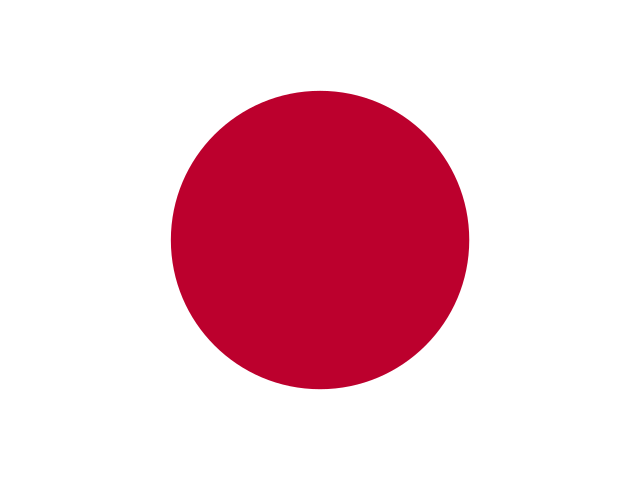
Japan is an island country in East Asia, stretching along the western edge of the Pacific Ocean. Known as the “Land of the Rising Sun,” Japan is famous for its blend of ancient traditions and cutting-edge technology, from peaceful temples and cherry blossoms to bullet trains and robots. Its capital, Tokyo, is one of the largest cities on Earth.
Geography
Location and Size
Japan lies off the east coast of mainland Asia, separated from Korea, China and Russia by the Sea of Japan and the East China Sea. The country covers about 378,000 square kilometres, a little smaller than the province of Newfoundland and Labrador.
Islands
Japan is an archipelago of more than 14,000 islands. Four main islands make up most of its land: Honshu (the largest), Hokkaido in the north, and Kyushu and Shikoku in the south. Okinawa and the other Ryukyu Islands stretch far to the southwest.
Landforms and Climate
About three-quarters of Japan is mountains and hills, so most people live on the narrow coastal plains. Mount Fuji, a volcano 3,776 metres tall, is the country’s highest and most famous peak. Japan sits on the Pacific “Ring of Fire,” so it has many volcanoes and frequent earthquakes. The climate ranges from snowy winters in Hokkaido to warm, subtropical weather in Okinawa, and most of the country has four distinct seasons.
Prefectures
Japan is divided into 47 prefectures, which are similar to provinces. They include Tokyo, Osaka, Kyoto, Hokkaido and Okinawa.
History
People have lived in Japan for tens of thousands of years. The early Jomon people made some of the world’s oldest pottery, and later the Yayoi brought rice farming from mainland Asia. Over time, an imperial court formed, with capitals at Nara and then Kyoto.
For hundreds of years, real power was held by military leaders called shoguns and their warriors, the samurai. During the Edo period (1603–1868), Japan limited contact with the outside world. In 1868, the Meiji Restoration returned power to the emperor and began a period of rapid modernization, with new railways, factories and schools. After its defeat in World War II, Japan adopted a new peaceful constitution in 1947 and rebuilt quickly, becoming one of the world’s richest countries.
Government
Japan is a constitutional monarchy with a parliamentary democracy. The Emperor is a symbol of the nation with a ceremonial role, while the Prime Minister leads the government. Laws are made by the National Diet, which has two houses: the House of Representatives and the House of Councillors.
Economy
Japan has one of the largest economies in the world. It is known for making cars, electronics, cameras, video game consoles and robots, with well-known companies such as Toyota, Sony and Nintendo. Because Japan has few natural resources, it imports much of its energy and raw materials and exports high-tech products. Fishing and rice farming remain important traditional industries.
Culture
Japanese culture mixes ancient customs with modern pop culture. Traditions include the tea ceremony, kimono clothing, calligraphy, origami and flower arranging (ikebana). Shinto shrines and Buddhist temples are found throughout the country. Japanese food such as sushi, ramen, tempura and miso soup is enjoyed worldwide. Sumo wrestling is the traditional national sport, and baseball is hugely popular. Japan is also famous for anime, manga and video games, and every spring people gather to view the cherry blossoms in a custom called hanami.
People
Japan has a population of about 124 million people, and many live in big cities like Tokyo, Yokohama and Osaka. The official language is Japanese, which is written with three scripts: kanji (characters from Chinese), hiragana and katakana. Japanese people have one of the longest life expectancies in the world, and politeness and respect, such as bowing when greeting, are important parts of daily life.
Fun Facts
- Japan’s high-speed Shinkansen, or “bullet train,” began running in 1964 and can travel at over 300 km/h.
- The Japanese name for Japan, Nihon or Nippon, means “origin of the sun.”
- Japan has more than 100 active volcanoes.
- The Greater Tokyo area is home to more than 37 million people, making it the largest metropolitan area in the world.
Exploring Japan means discovering a country where centuries-old traditions live side by side with some of the most modern cities and technologies on the planet. From snowy mountains to tropical islands and from samurai history to anime, Japan offers something fascinating for everyone.